
.avif)
January 2025
Portt: Time Travel AI Photos
AI-Powered Historical Photo Transformation App
Partnership

AI-Powered Historical Photo Transformation App
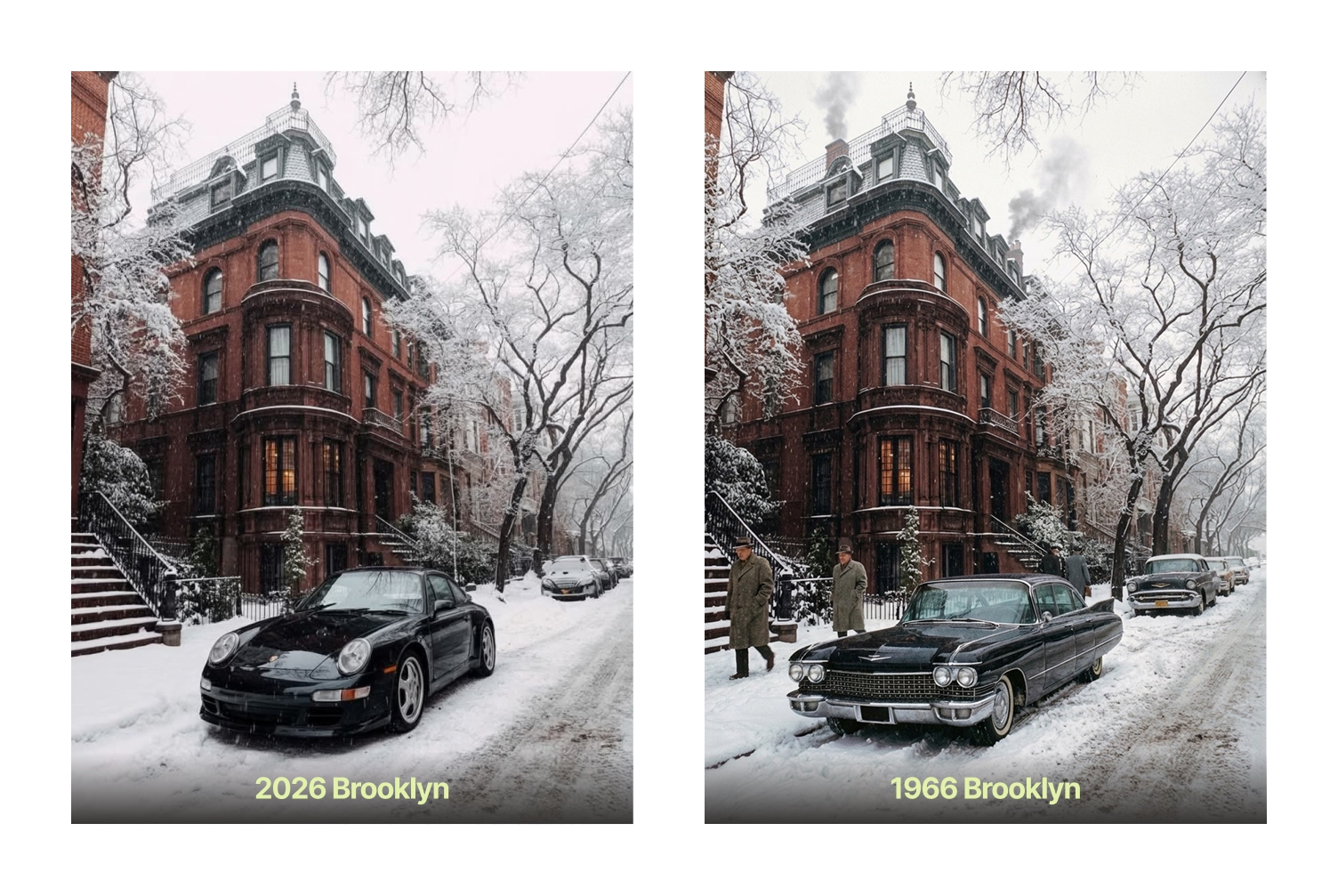
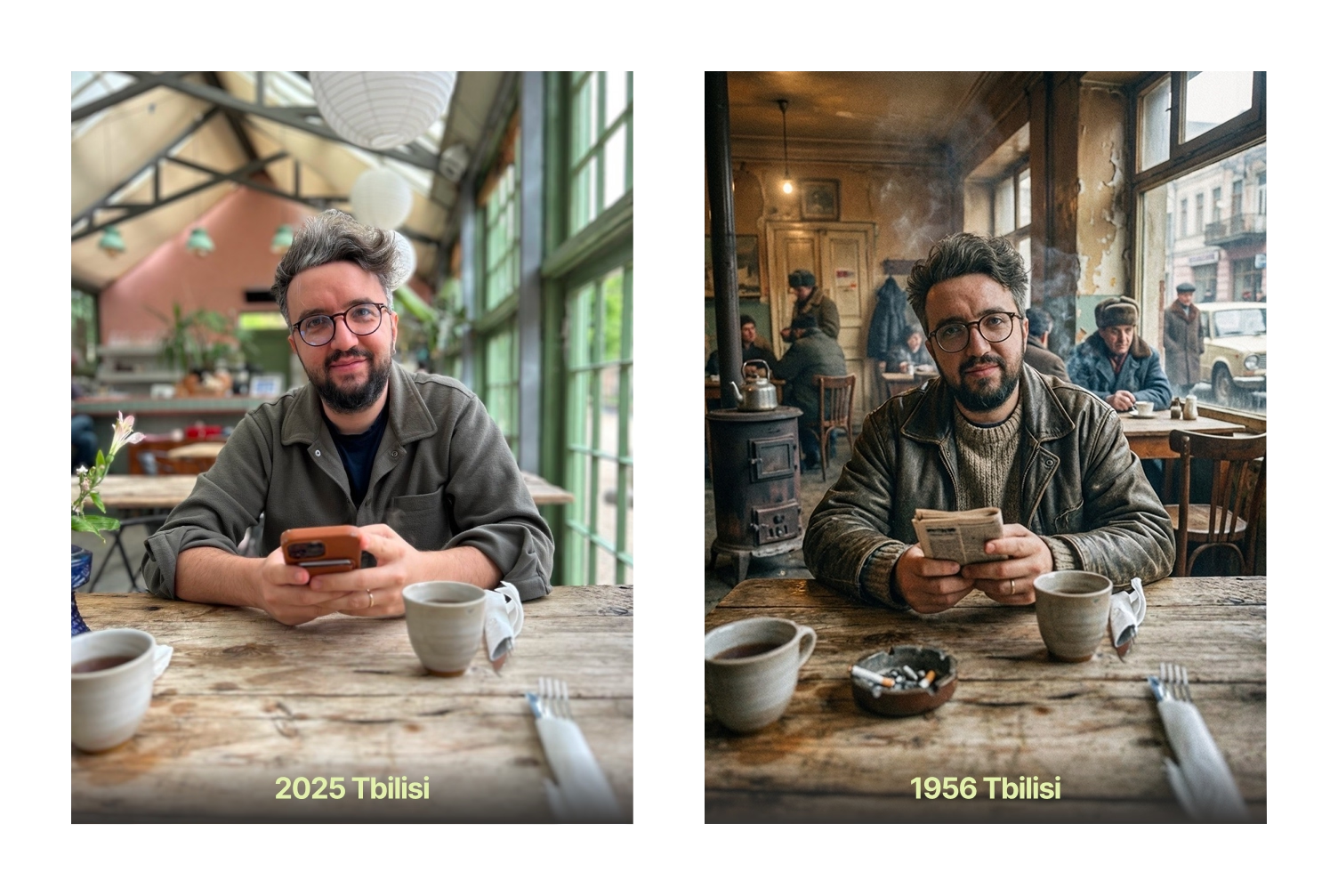
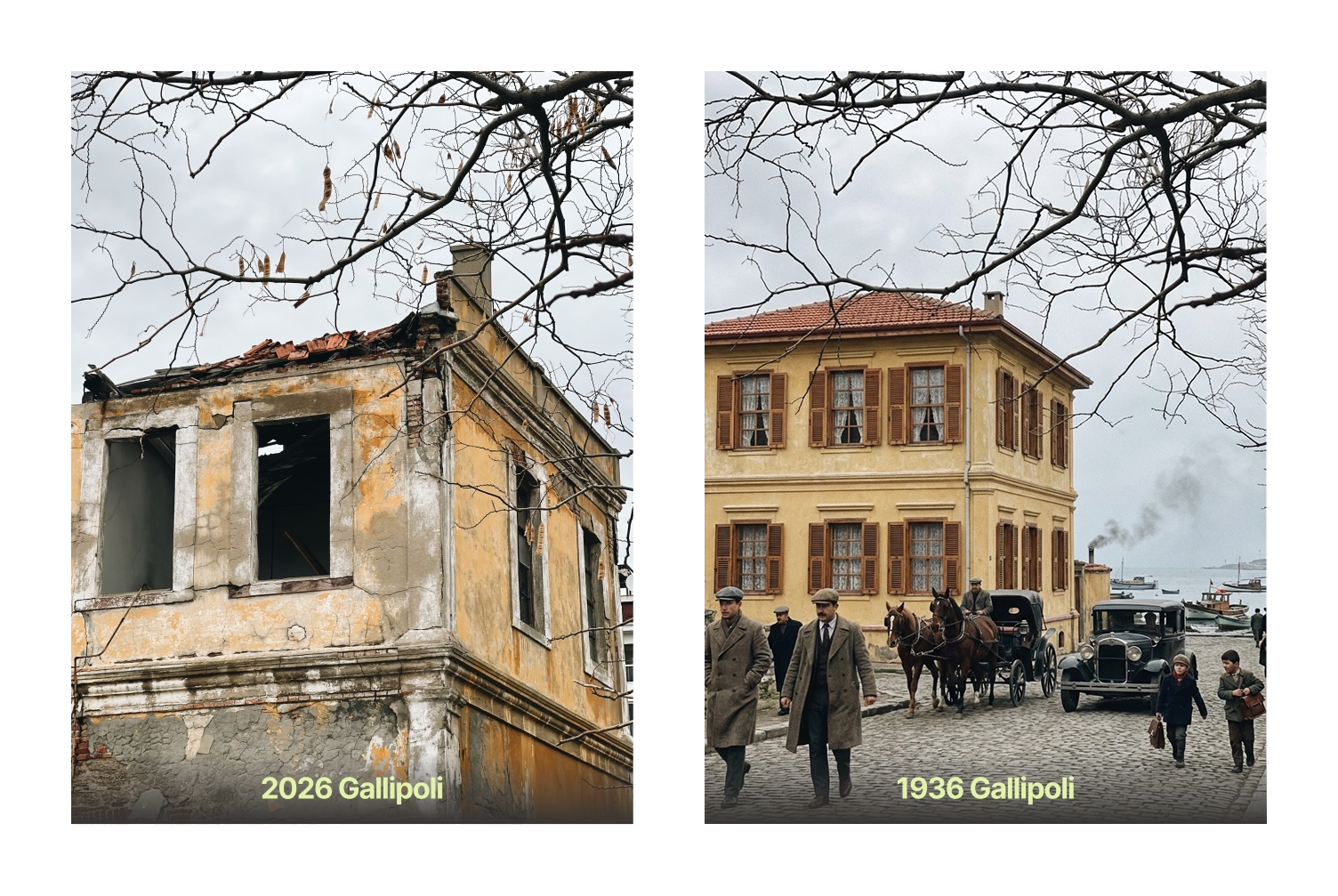
The Motivation

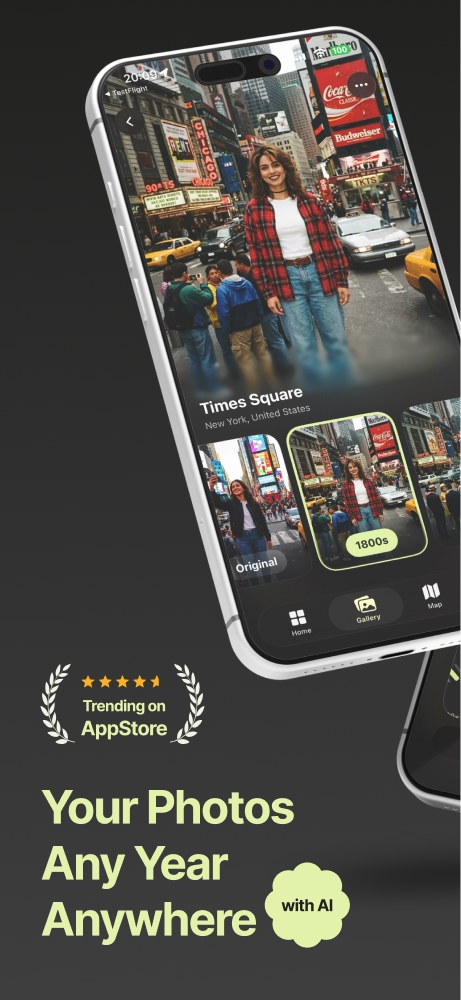
AI image generation created new creative possibilities, but most tools felt complex and disconnected from real life. With Portt Time Travel, I wanted to make history explorable through something everyone already has: their own photos.
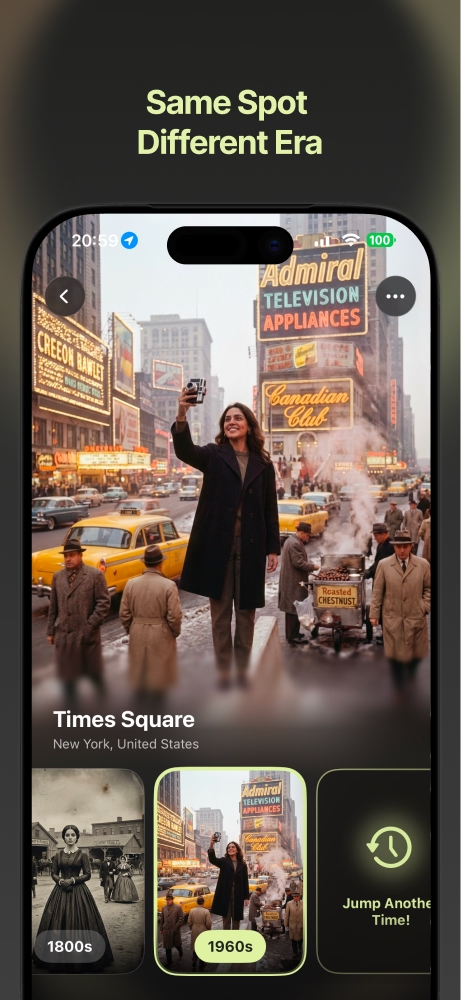
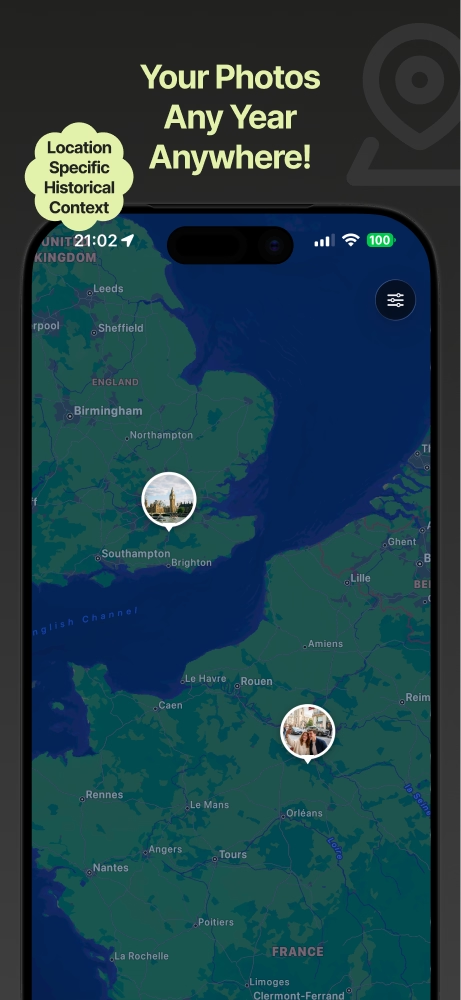
It started with a simple question: “What would this exact location look like in 1920?” Existing archives rarely show the specific spots we see every day. Portt closes this gap by combining:
- AI-powered visual transformation
- Location-based historical context
This turns any photo into a personalized window into the past.
Beyond nostalgia, the project aims to:
- Make history tangible and relatable through personal photography
- Show real-world AI integration in a consumer app
- Lay the groundwork for a future social platform around historical exploration
Technically, the challenge is to coordinate multiple AI models (LLM for context, image generation for visuals) in a smooth mobile experience, while keeping the architecture ready to scale as a social network.
The Process
- Product Strategy: Wrote bilingual PRDs (TR/EN) defining MVP scope, user flows, and technical specs, while planning for future social and archive features.
- AI Architecture: Designed a two-step pipeline:
- Gemini for historical context
- Nano Banana for image transformation ensuring historically grounded results, not generic filters.
- Tech Stack: Native iOS (Swift/SwiftUI), AVFoundation camera, CoreLocation + MapKit, async/await APIs, and a data structure ready for cloud and social features.
- Key Decisions: Modular APIs, flexible prompt system, social-ready data models, and an admin dashboard for managing prompts and models.
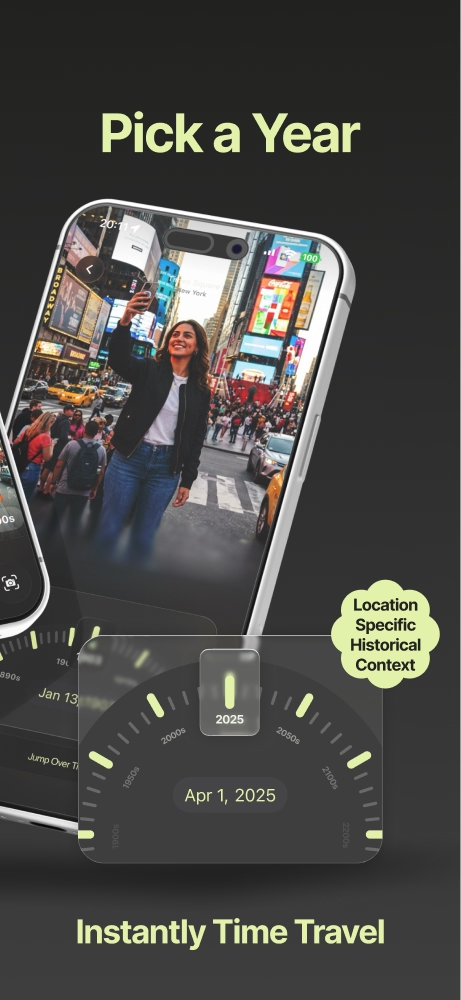
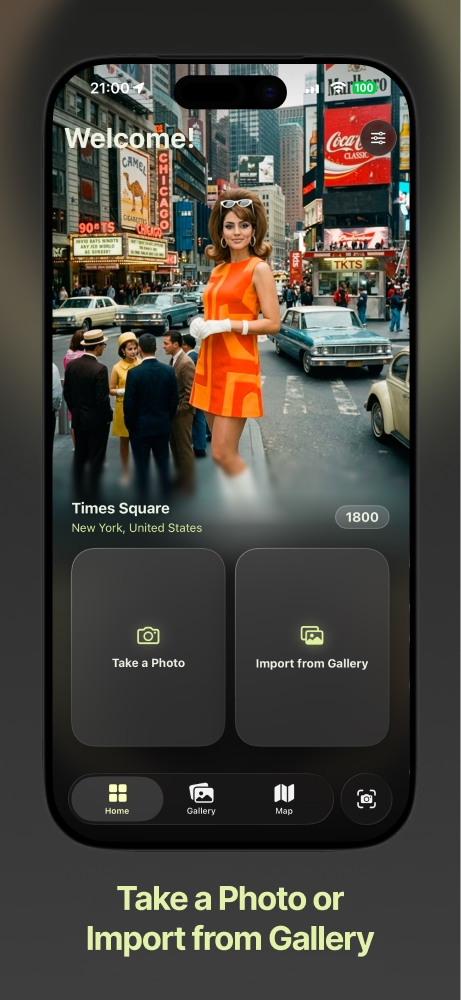
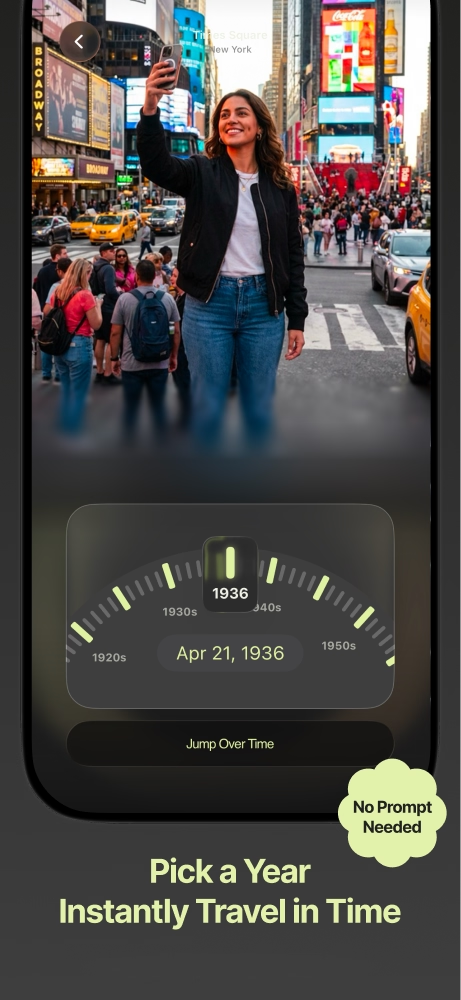
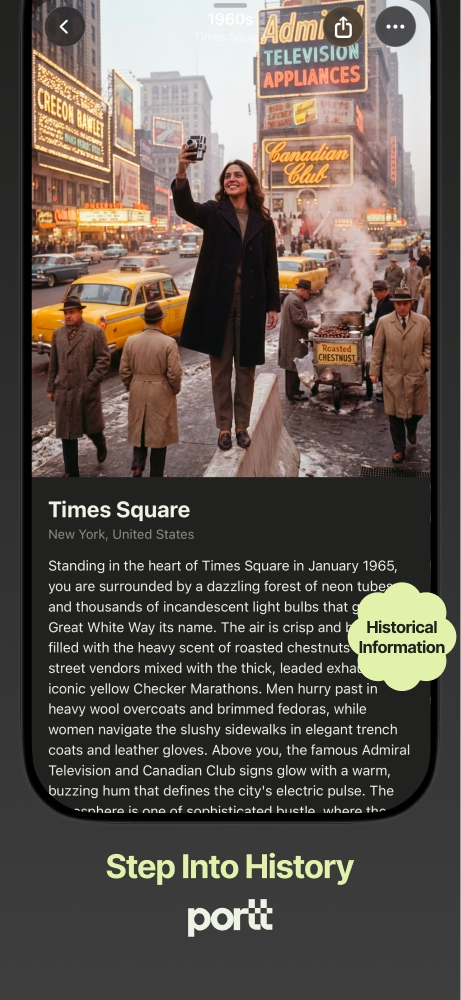
- UX & Design: Simple flow — Capture → Select Time → Transform → Share with a time wheel (1900s–2050s) and concise historical info cards.
- Tools & Ops: Figma for UI, Notion for documentation and tasks, plus a go-to-market checklist for ASO, analytics, and launch.
- Iteration & Collaboration: Built for continuous testing (prompt library, A/B tests, analytics, fallbacks) and worked closely with developers, keeping room for monetization and social pivots.
Results
MVP Deliverable
Shipped a development‑ready iOS MVP with clear acceptance criteria for:
- Camera integration
- AI processing pipeline
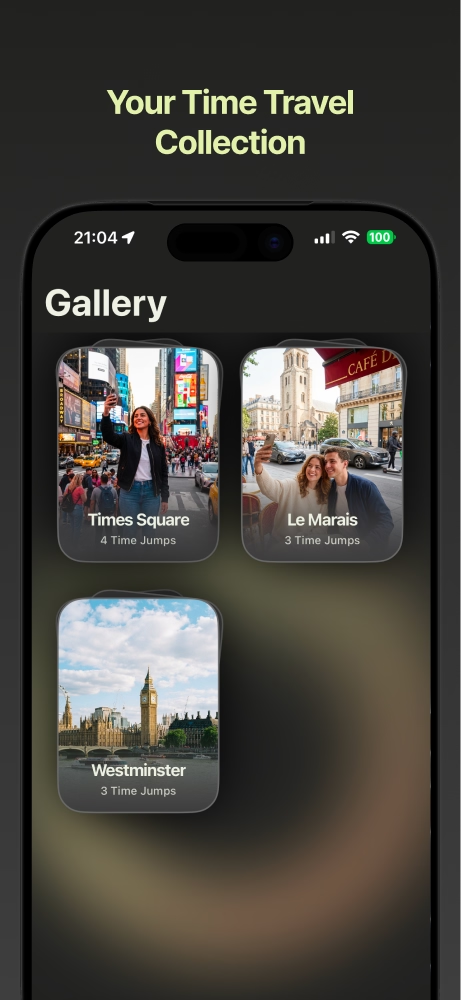
- Result display and sharing
All guided by a detailed PRD that doubles as a QA checklist.
Technical Innovation
Designed a scalable AI orchestration system that:
- Coordinates multiple LLM and image models for coherent historical output
- Allows fast switching between providers (Gemini, OpenAI, Claude, image APIs) without rewriting the core architecture
Foundation for Growth
Prepared social‑ready, archive‑ready data models, including:
- User authentication and profiles
- Social hooks (likes, shares, follows)
- Public/private content settings
- Space for future historical archive integrations
Documentation Excellence
Created layered documentation tailored to different needs:
- PRD: Technical specs + acceptance criteria
- Task database: 50+ structured items across build, marketing, and ops
- Go‑to‑market checklist: ASO, analytics, launch steps
- Prompt library: Versioned, optimized AI prompts
Strategic Positioning & Next Cycles
Positioned Portt for multiple directions after App Store feedback:
- Evolving into a social platform around historical sharing
- Integrating institutional archives (e.g., libraries, museums)
- Introducing premium features (pro tools, ad‑free, advanced edits)
- Exploring partnerships with tourism boards and cultural institutions
This setup balances today’s MVP constraints with a flexible roadmap for upcoming iterations once real users and App Review responses start coming in.
My Circle on This Project

Partnership with


.avif)


